Are you worried about how to properly care for your heirlooms and antiques to prevent damage or loss of value?
I have always had a soft spot for family heirlooms and antiques, especial the pieces that quietly carry stories from one generation to the next. Sometimes I’ll catch myself standing still in the middle of a room — not really doing anything — just noticing.
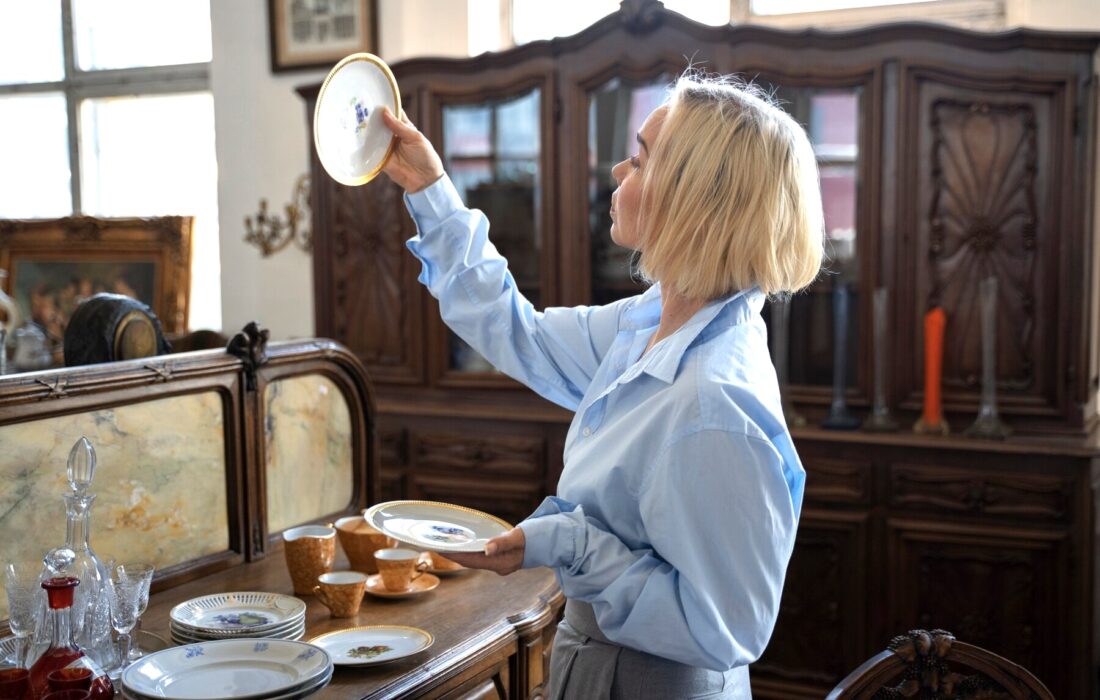
The worn edge of an old frame. A teacup that’s been handled by more hands than I could ever count. A piece that doesn’t shout for attention, but quietly waits to be seen. I do this more often than I probably admit. And every time, I’m reminded that these aren’t just things. They’re memories you can touch. Stories that stayed behind when people moved on. Little reminders that life existed long before us — and mattered just as much.
I’ve been collecting and caring for heirlooms and antiques for years now. I’ve made mistakes along the way (more than a few), learned lessons the hard way, and figured out — slowly — that caring for these pieces isn’t about perfection. It’s about respect. Let me tell you why they matter to me… and how I’ve learned to care for them with a little more intention and a lot more grace.
Every time I bring home something old — a clock from a flea market, a quilt someone stitched by hand, a chair with just enough wear to tell its age — it feels like inviting another story into my home.
That’s the part that gets me every time…
Yes, some antiques have monetary value. And sure, it’s fun to wonder if something might be worth more than we think. But for me, the real value is almost always emotional. These pieces connect us to people we may never have met — and to people we miss deeply. They remind us that what we’re doing now… living, loving, creating a home — has always mattered
And Why That Matters Too!
I’ll be honest — asking for help didn’t come naturally to me at first. But over time, I’ve learned that antique dealers, restorers, conservators, and even small shop owners aren’t just experts — they’re storytellers too. Every question I’ve asked has added another layer to a piece’s life. And sometimes, asking for help is part of the care.
If you’re unsure about something, don’t guess. Reach out. You might gain more than advice — you might gain a connection, a shared appreciation, or a new chapter in that piece’s story.
(Gently, Not Perfectly)
Here’s what I’ve learned — slowly — over the years:
One of the quiet joys of owning heirlooms is imagining who might love them next.
I talk to my family about why certain pieces matter — not because I want to dictate what happens to them, but because I want the story to survive even if the object doesn’t.And yes… there’s also the practical side. Appraisals. Insurance. Documentation. I used to avoid that part because it felt cold. But now I see it differently. It’s another way of caring. Another way of saying, this mattered enough to protect.
I don’t believe heirlooms belong locked away.
I believe they belong in homes that are lived in.
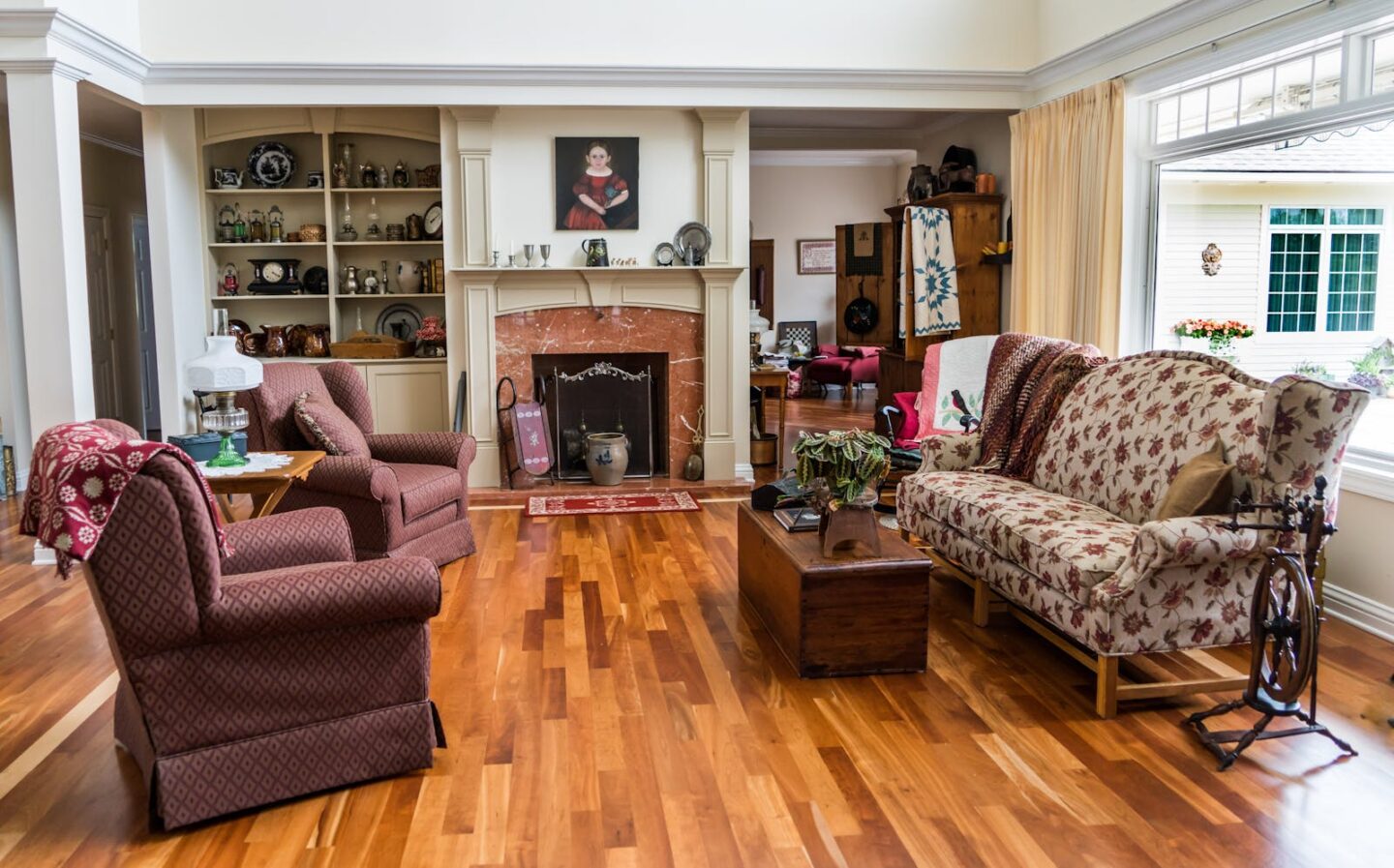
Mix old with new. Use the china. Sit in the chair. Let these pieces be part of everyday life — because that’s what they were made for.
That’s how a house starts to feel like a home.
Caring for heirlooms and antiques isn’t about preserving perfection.
And if you ever feel unsure — you’re not alone. None of us know everything. What matters is that we care enough to ask, to learn, and to protect what feels precious.
Thank you for sitting here with me for a bit.
For listening.
And for caring about the stories that live quietly in your home.
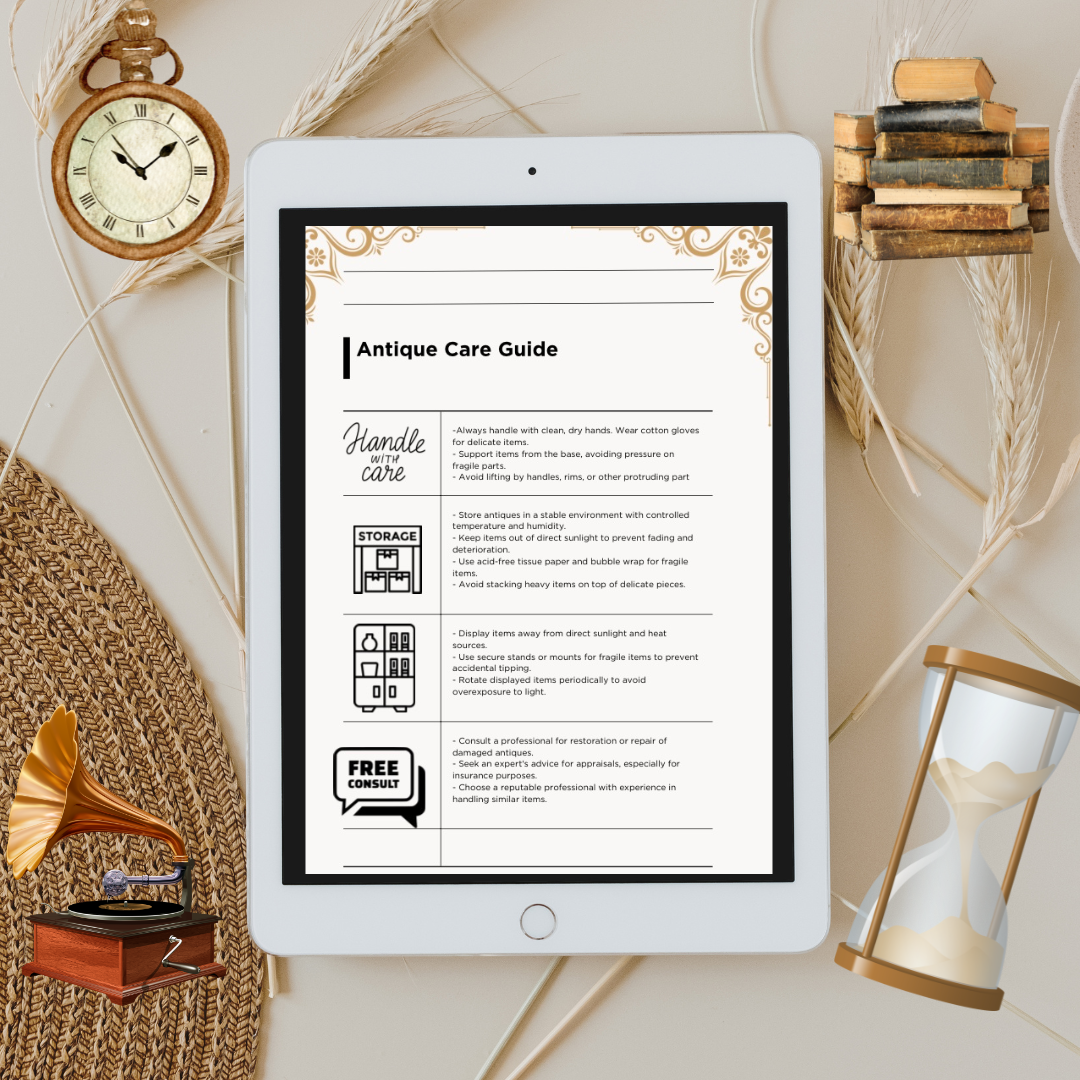
I’ve created a downloadable guide on antique care for you. You can download it using the link below:
This guide covers essential tips for handling, storing, and displaying antiques, along with advice on when to consult a professional.
I hope these tips help you feel more confident in your ability to protect and showcase these treasures.